the Town that was forgotten in the allegheny mountains
Glen White, PA
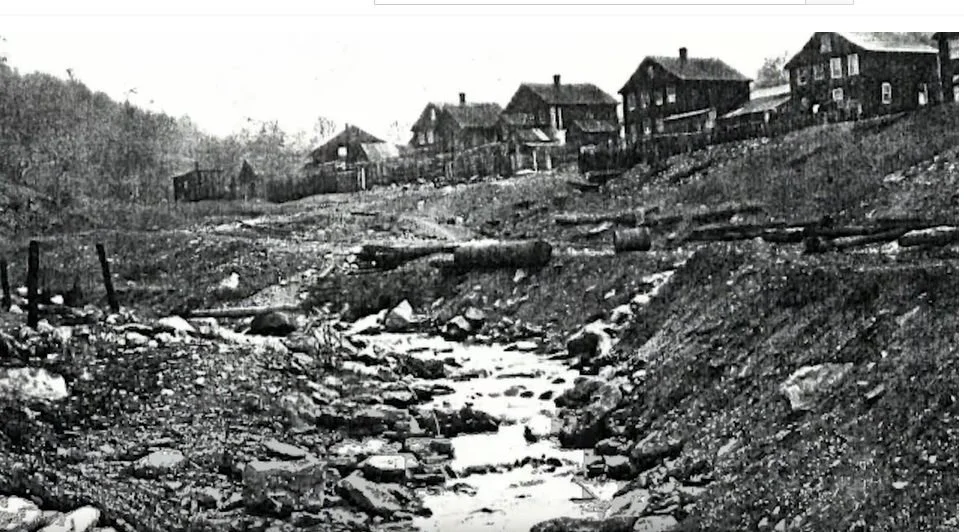
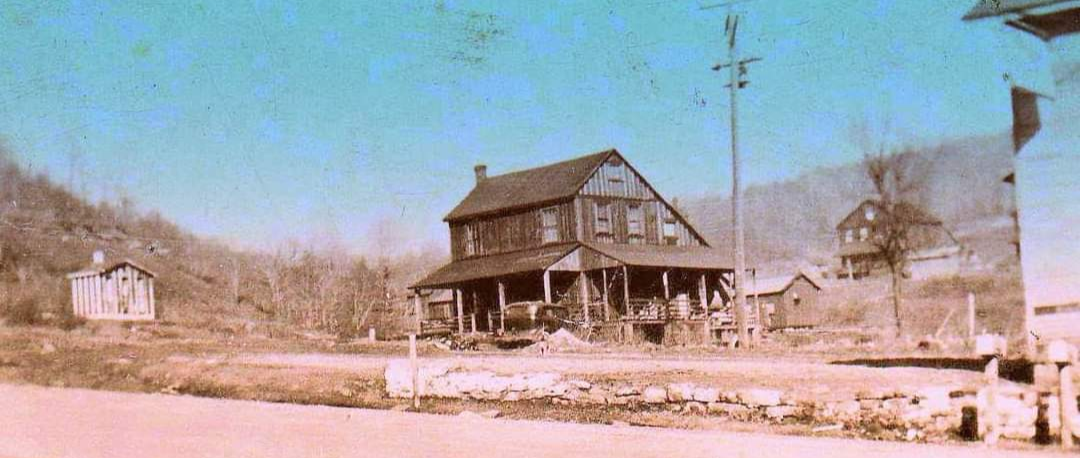
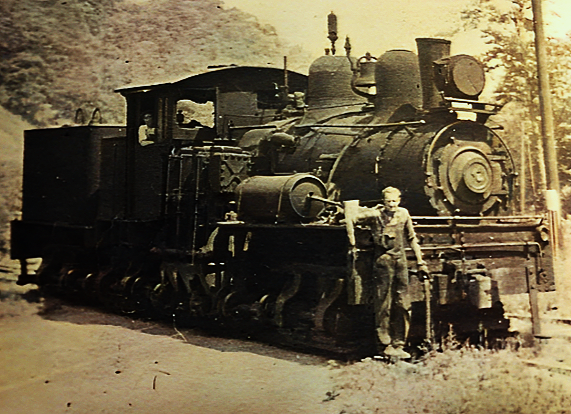
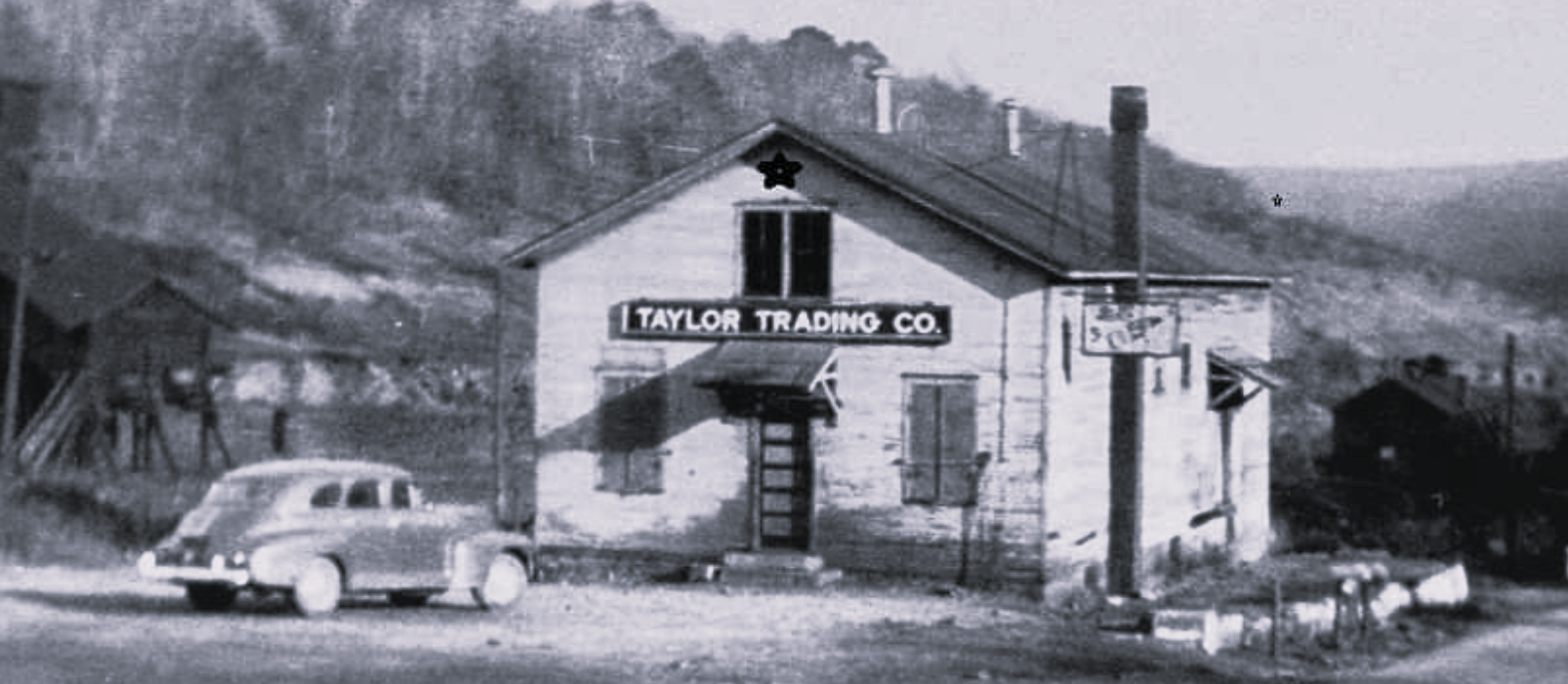
The town of Glen White, Pennsylvania was located about two miles from the historic Horseshoe Curve outside of Altoona, Pennsylvania. The town’s operations began shortly after the Horseshoe Curve’s completion and opening in 1854. Much of the early business was centered around timbering operations, before coal became more profitable in the 1870s. Around this time, Jacob Taylor of Baltimore, Maryland, founded the Glen White Coal and Lumber Company with local coal miner David McCoy to take over the town and its mining operations. Peaking at a population of around 250, the mining community of Glen White had a school, church, company boarding house, store, around 30 company houses, multiple out buildings, and 98 coke ovens.
What are Coke ovens?
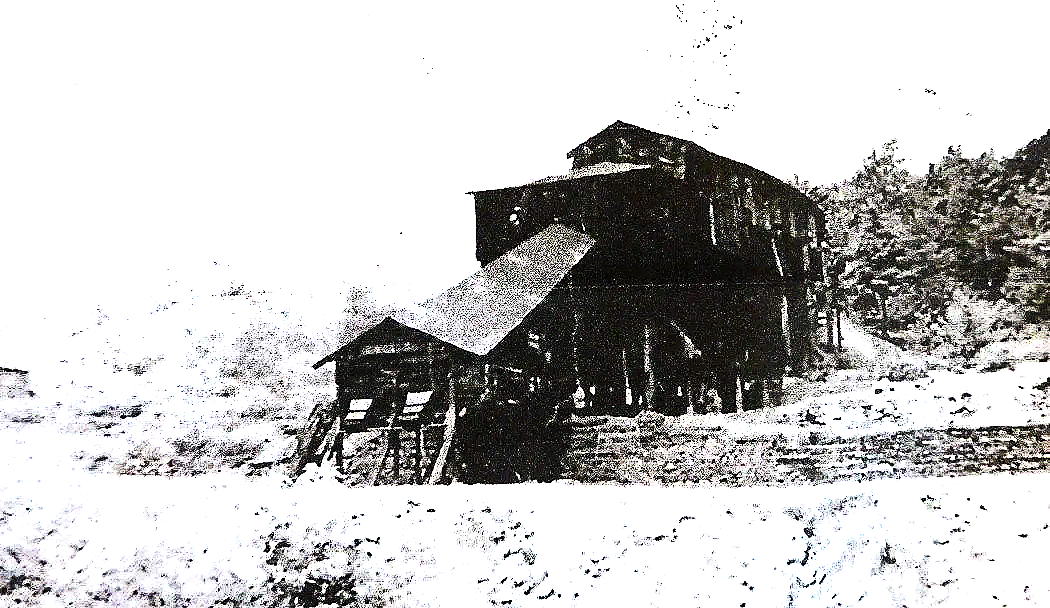
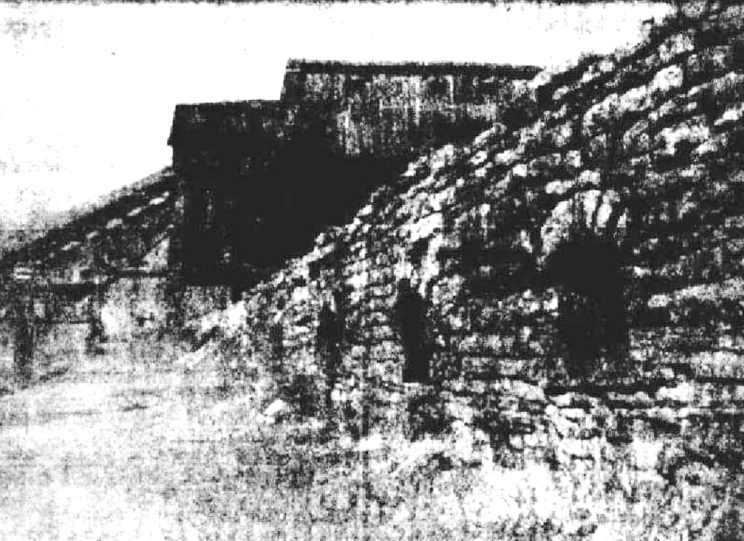
The 98 coke ovens at Glen White were constructed during the 1880s to produce metallurgical coke, a fuel used primarily in iron furnaces and, later, steel mills. Contrary to a common misconception, the coke produced at Glen White was not used to fuel steam locomotives. Instead, it played a vital role in the iron and steel industries during America's rapid industrial expansion and the transition from iron production to steelmaking. The process began with coal mined from the surrounding hillsides. The coal was then loaded into beehive, or igloo coke ovens measuring approximately 6 to 7 feet in diameter and about 12 feet high, constructed of cut stone lined with brick. Once filled, the ovens were sealed, allowing the coal to be heated to temperatures exceeding 2,000°F in a low-oxygen environment. Rather than burning completely, the coal underwent a process known as carbonization, in which volatile gases and impurities were removed while the remaining carbon-rich material gradually fused together.
After many hours, the finished coke was removed from the ovens and rapidly cooled, or "quenched," with water. The resulting product was a hard form of nearly pure carbon that burned hotter, longer, and more efficiently than raw coal. These qualities made coke indispensable for producing the intense, consistent heat required in blast furnaces to manufacture iron and steel, helping fuel the industrial growth that transformed western Pennsylvania and the nation.
Where did glen white go?
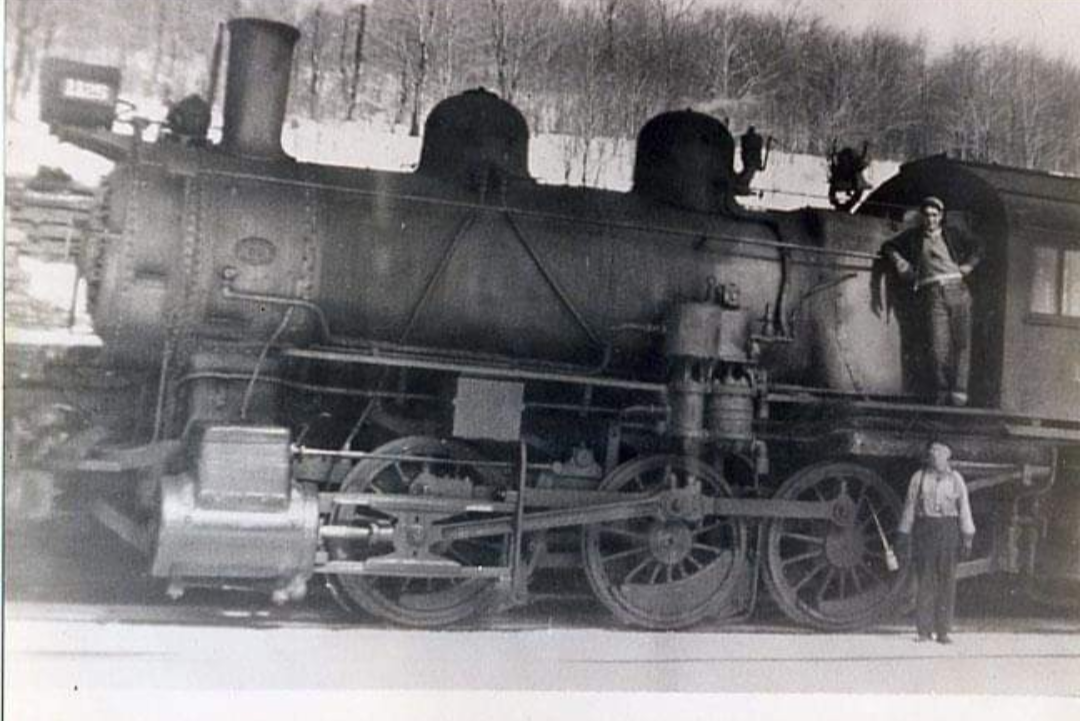
During the 1930s, the management of the Glen White Coal and Lumber Company placed the business and its holdings—including the company-owned town of Glen White—into voluntary receivership. The operation was subsequently reorganized under a new name, the Glen White Coal Corporation, with many of the same individuals continuing to oversee its management. Although the company eventually resumed operations, it faced the difficult task of recovering from months of inactivity during the depths of the Great Depression. To aid in its recovery, the company received a $65,000 loan from the Reconstruction Finance Corporation.
Despite this financial assistance, the company's recovery was short-lived. Unable to repay the federal loan, the Glen White Coal Corporation was forced into a sheriff's sale. Its mining equipment, railroad rails, locomotives, and other industrial assets were purchased by M. Glosser Bros., a Johnstown scrap company, for dismantling and salvage. Soon afterward, in 1941, the property was acquired by the City of Altoona to protect the watershed supplying its reservoirs downstream near the Horseshoe Curve.
Following the purchase, the city ordered all remaining company-owned buildings to be demolished. Rather than abandon their homes entirely, many residents carefully dismantled their houses and rebuilt them in nearby communities, including the area below Lake Altoona and the borough of Gallitzin. Aside from a handful of families living beyond the company-owned property, Glen White had effectively ceased to exist by 1942, bringing an end to nearly a century of coal mining and community life in the secluded mountain valley.
Glen White Today
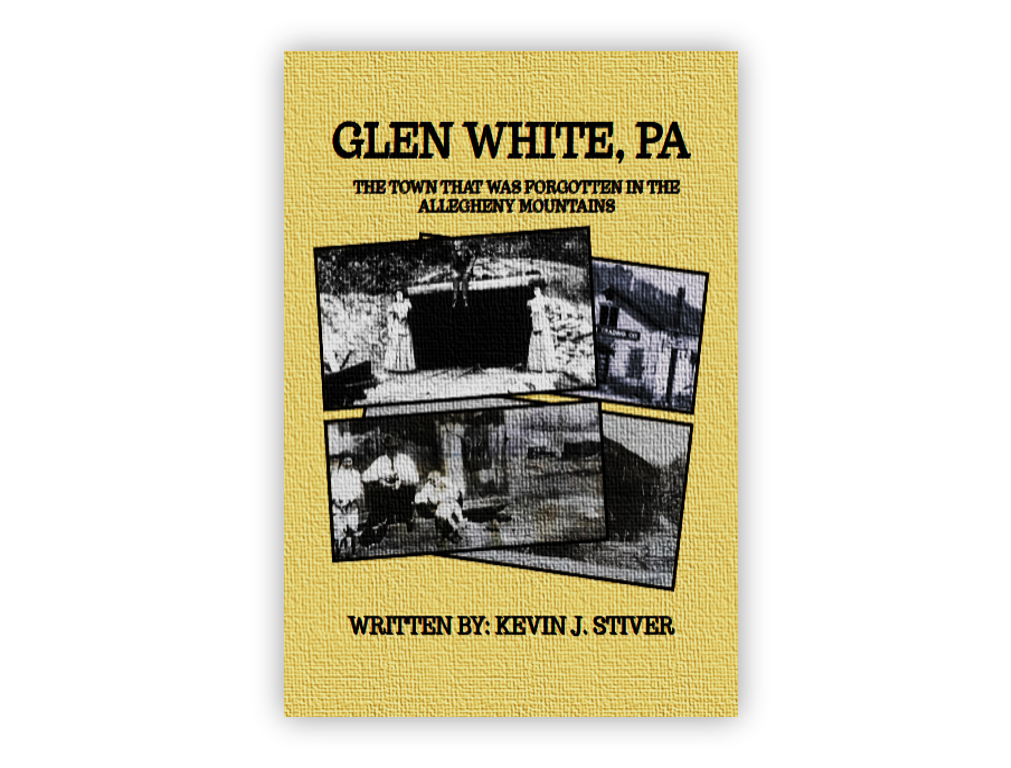
Today, all that remains of the town of Glen White, PA is a few original residents, foundations of houses, the ruins of the coke ovens, collapsed coal mines, and a small cemetery, In May 2023, then 15-year-old Kevin Stiver published “Glen White, PA: The Town that was Forgotten in the Allegheny Mountains” after months of research and interviews with the surviving townspeople.
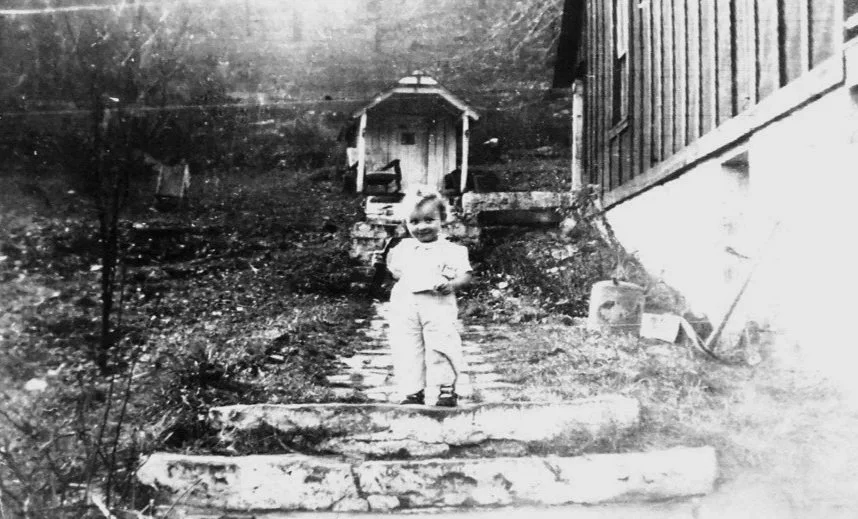
“Glen White, PA: The Town that was Forgotten in the Allegheny Mountains” is a 75-page publication that includes the information such as company records, town residents’ surnames, censuses, anecdotes, newspaper clippings, maps, aerial photographs, and rare family photographs taken by Thomas Eichenlaub, engineer.
Stiver’s work was recognized by the Blair County Historical Society in September of 2023, when he was awarded the inaugural Young Preservationist Award.
Signed books can be purchased through local business Kelley’s Treasures LLC by clicking the “Purchase Book” button below.
Glen White Cemetery Project
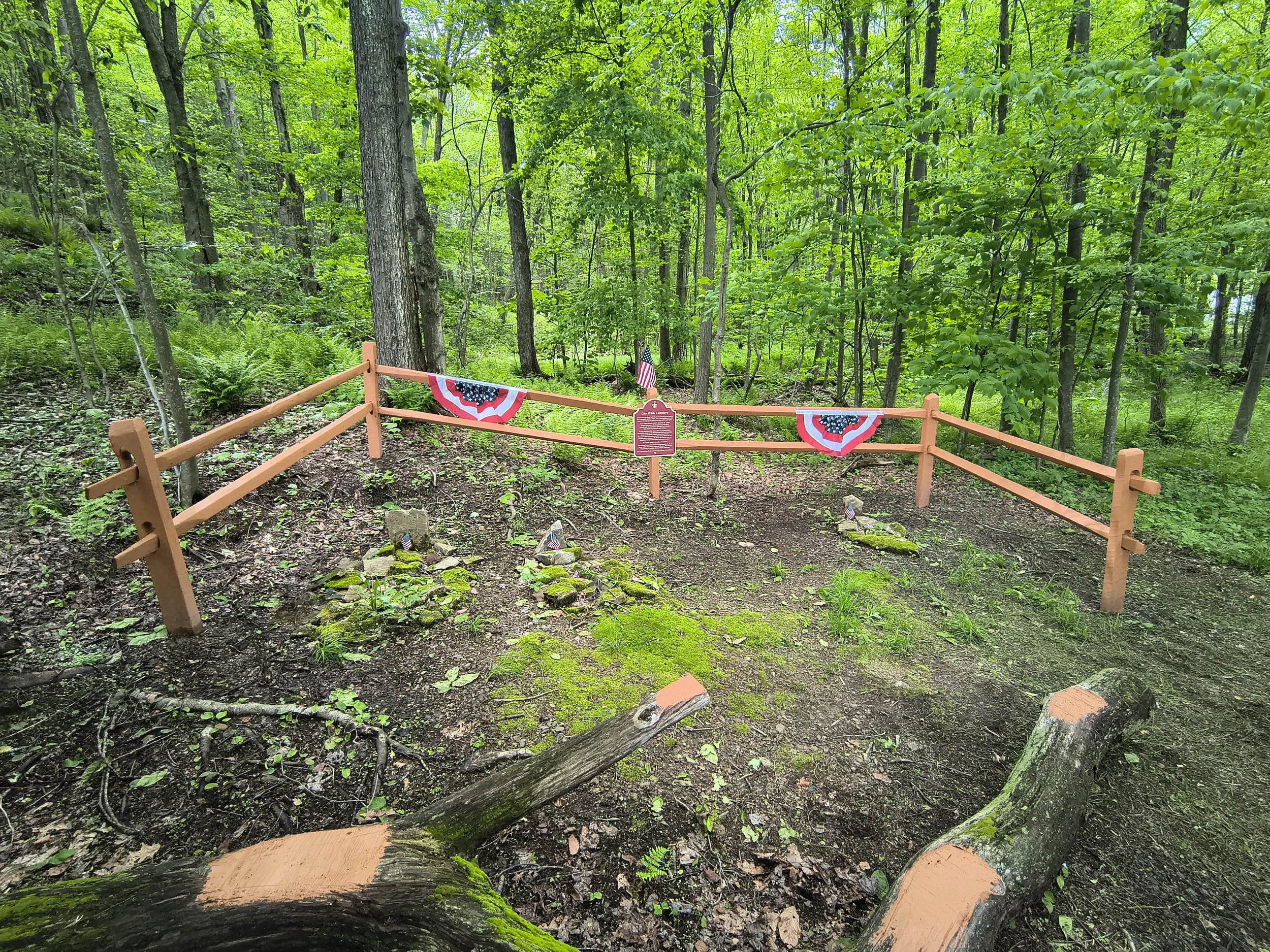
In August of 2025, the Glen White Cemetery project was organized in order to protect and preserve three burials that were discovered just mere feet from where the Glen White town church was located. According to research, two men were buried at Glen White, (Peter Kulak, 1910, and Grurgy Dzuba, 1914) due to their poor financial situations or their lack of family in the United States. Many deceased Glen White residents were buried in Altoona, Bennington, Coupon, Gallitzin, etc., with proper preparations and planning. It is these three individuals that still remain at Glen White, whose story and final resting place was nearly forgotten due to the passing of time. Materials, such as split-rail fence, railing, and lumber for stairs, was donated by The DeGol Organization and The Home Depot of Altoona. This project was made possible by the family and friends of Kevin Stiver and the Altoona Water Authority.